
Tying Oklahoma’s Minimum Wage to the Cost of Living Makes Economic and Common Sense
By Steven C. Agee, Ph.D.
Oklahoma’s minimum wage has been $7.25 an hour since 2009. In 17 years since, the Bureau of Labor Statistics shows that consumer prices have risen by more than 57 percent. Gasoline, diesel, groceries, rent, utilities — everything costs more. But the wage floor hasn’t moved. That’s not because the cost of living has stopped going up. It’s because the Oklahoma legislature never acted.
The mechanism in State Question 832 that is most straightforward is the part of the policy that ties future raises to the cost of living. Beginning in 2030, the minimum wage would automatically adjust each year based on changes in the Consumer Price Index for Urban Wage Earners and Clerical Workers, known as CPI-W.
This is a national index maintained by the U.S. Bureau of Labor Statistics. It measures the average change in prices paid by hourly wage earners and clerical workers across the entire country. In fact, Oklahoma City is one of the 75 cities used to calculate the CPI-W. Specifically, it includes the price of goods in Canadian, Cleveland, Grady, Lincoln, Logan, McClain, and Oklahoma Counties. This index tracks the same basket of goods and services that working families buy everywhere: food, housing, transportation, medical care.
If this cost of living index sounds familiar, it should. It’s the exact same index the federal government uses to calculate annual cost-of-living adjustments for Social Security benefits. It’s the same index used to adjust military retirement pay. And it’s worth noting: The Oklahoma Legislature uses a similar CPI measure for its corporate quality jobs incentive program. The CPI is widely used and appropriate across a range of contexts.
When Oklahoma gasoline and diesel prices rise, that shows up in the CPI. When Oklahoma grocery costs climb, that’s in there too. It’s a broad, balanced measure of what things actually cost for working people, the exact kind of people this policy is designed to protect.
There’s another reason indexing the minimum wage to the cost of living matters, and it may be the most important one: it takes the politics out of the minimum wage. Right now, the only way Oklahoma’s wage floor can change is if the legislature or Congress votes to raise it. This is something neither has done in nearly two decades. That means every year the legislature doesn’t act, minimum wage families lose a little bit of income. Automatic adjustments tied to the cost of living corrects this problem. It’s the same principle behind indexing Social Security: the cost of living doesn’t wait for politicians, and neither should workers’ pay.
Twenty states and the District of Columbia already tie their minimum wages to some form of cost-of-living index. The evidence from those states is clear: automatic adjustments produce small, predictable annual increases that businesses can plan for. They prevent the kind of jarring, catch-up hikes that happen when wages are frozen for a decade or more and then raised at once.
State Question 832 also phases in the initial increase gradually before the CPI-W adjustment kicks in. That gives businesses three full years to phase in wage increases. For small businesses with 10 or fewer employees grossing $100,000 or less, there’s an exemption built into the measure.
This isn’t a blunt instrument. It’s a calibrated, conservative minimum wage policy.
The real question isn’t whether CPI-W indexing is appropriate. It’s why Oklahoma has gone 17 years without any adjustment at all. A minimum wage that never keeps pace with the cost of living isn’t a sustained wage floor at all, but rather a slow pay cut, delivered one year at a time to the workers who can least afford it.
On June 16, Oklahoma voters have a choice to make. Should the wage floor stay the same or should minimum wage keep up with the cost of living? With costs rising rapidly and wages staying flat, the choice is in their hands.
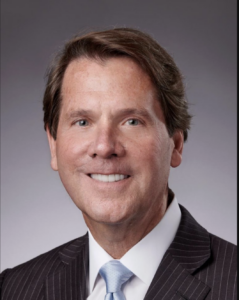
Steven Craig Agee Ph.D. is an Oklahoma based economist, former business college dean, educator, and former oil and gas industry executive. He is best known for his work in energy policy, banking, and macroeconomic analysis, combining decades of private sector leadership with academic expertise.